
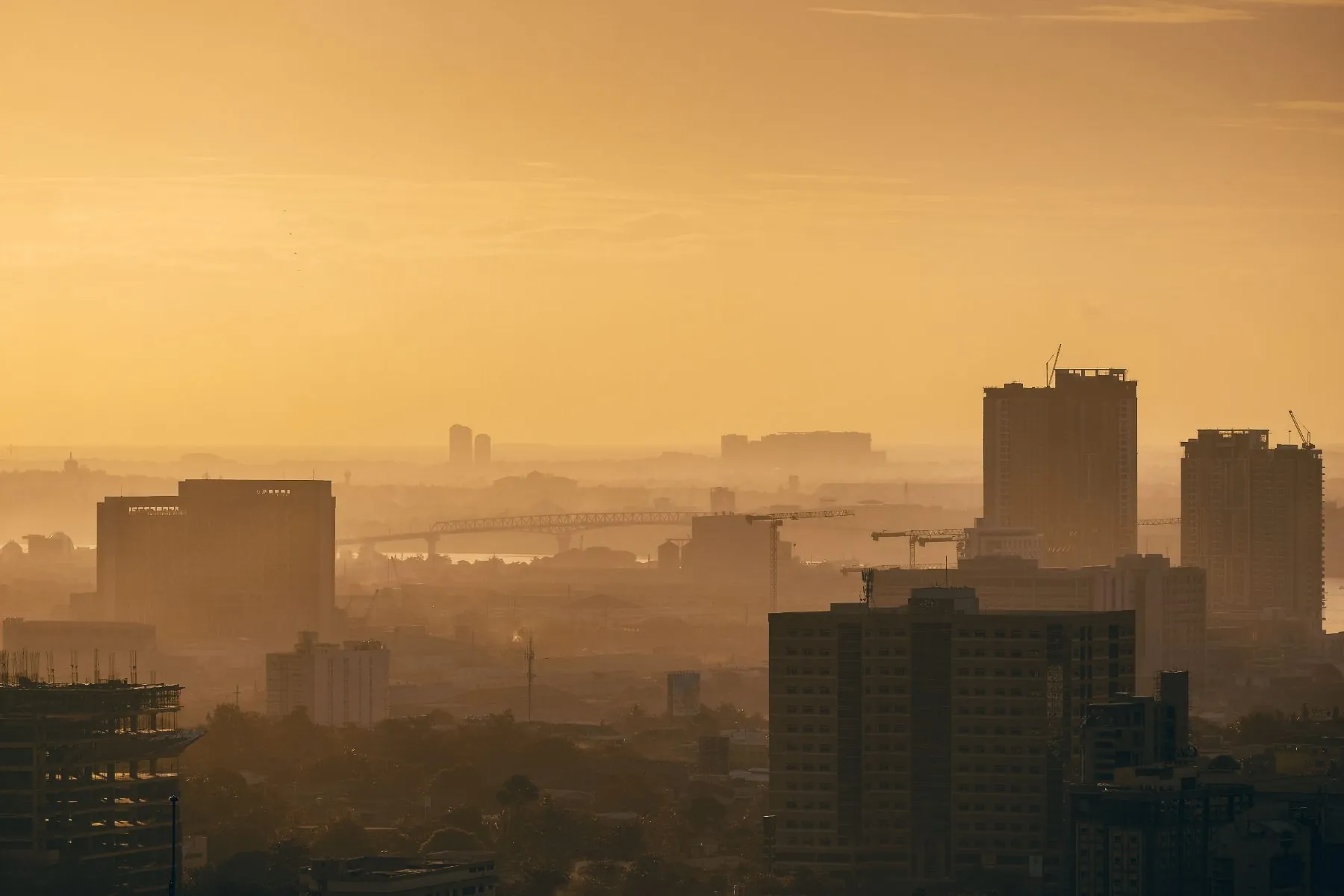
Cebu City · Cebu to the World
A story worth telling The history of Cebu
It began with our own ships, with our own traders, our own sea. A thousand years of arrivals made this city. Here is the whole story, told from here.
The question this brand asks
What is Cebu to the world?
It is a city, an island, or the place we all know. That is Cebu to us. But what is Cebu to the world? The answer to that is found in our past. In our Kagahapon.
- 01KagahaponYesterday. Our story did not begin with a ship from Spain. It began with our own ships, our own traders, our own sea.
- 02KaronToday. One thousand years later, Cebu is still the Sinibuay’ng Hingpit, the perfect trading place, now a global port.
- 03KaugmaonTomorrow. Cebu to the World is an offering, and a question. It is a story being written, and we invite you to write it with us.
01 · Yesterday · the past
Kagahapon
Our story did not begin with a ship from Spain. It began with our own ships, with our own traders, our own sea.
A thousand years ago, this harbor was already open for business: gold and pearls going out, silk and ceramics coming in, from China to the Malay world. And who were we then? Kinsa man ta kaniadto? Patikan, seafaring people, the Pintados, the painted ones, who read stars, built ships, and bargained hard.
The Cebuano enterprising spirit is written into our port, our abaca trade, our shipping, and into our own name. Cebu, from sibu, which is said to mean trade. Which is why we were called Sinibuay'ng Hingpit: the perfect trading place.
Then, in 1521, the West arrived, but Spain did not arrive in glory. Spain arrived in three storm-worn ships, the ragged survivors of the five that had left Europe, carrying hungry, exhausted men. And Cebu fed them. Repaired them. Traded with them. As we had done with strangers for five hundred years by that point.
The world remembers that voyage as the first to circle the Earth. We remember this as the beginning of Christianity here. So Cebu to the world is more than just a place. Cebu provisioned and repaired those ships to make it back home. The first voyage around the world was made possible here.
02 · Today · the present
Karon
Karon, we remember our history through the 500 years that followed. The cross, the fort, the oldest street, named for Cristobal Colon, the merchant houses. 500 years before Magellan and 500 years later: ania ta Karon.
Our pre-colonial chapter reminds us of our Asian roots, anchored on a maritime trading culture and an enterprising spirit. Stones make the city. People make it memorable. Today's Cebuano carries that same spirit forward: creative, excellent, bold, united.
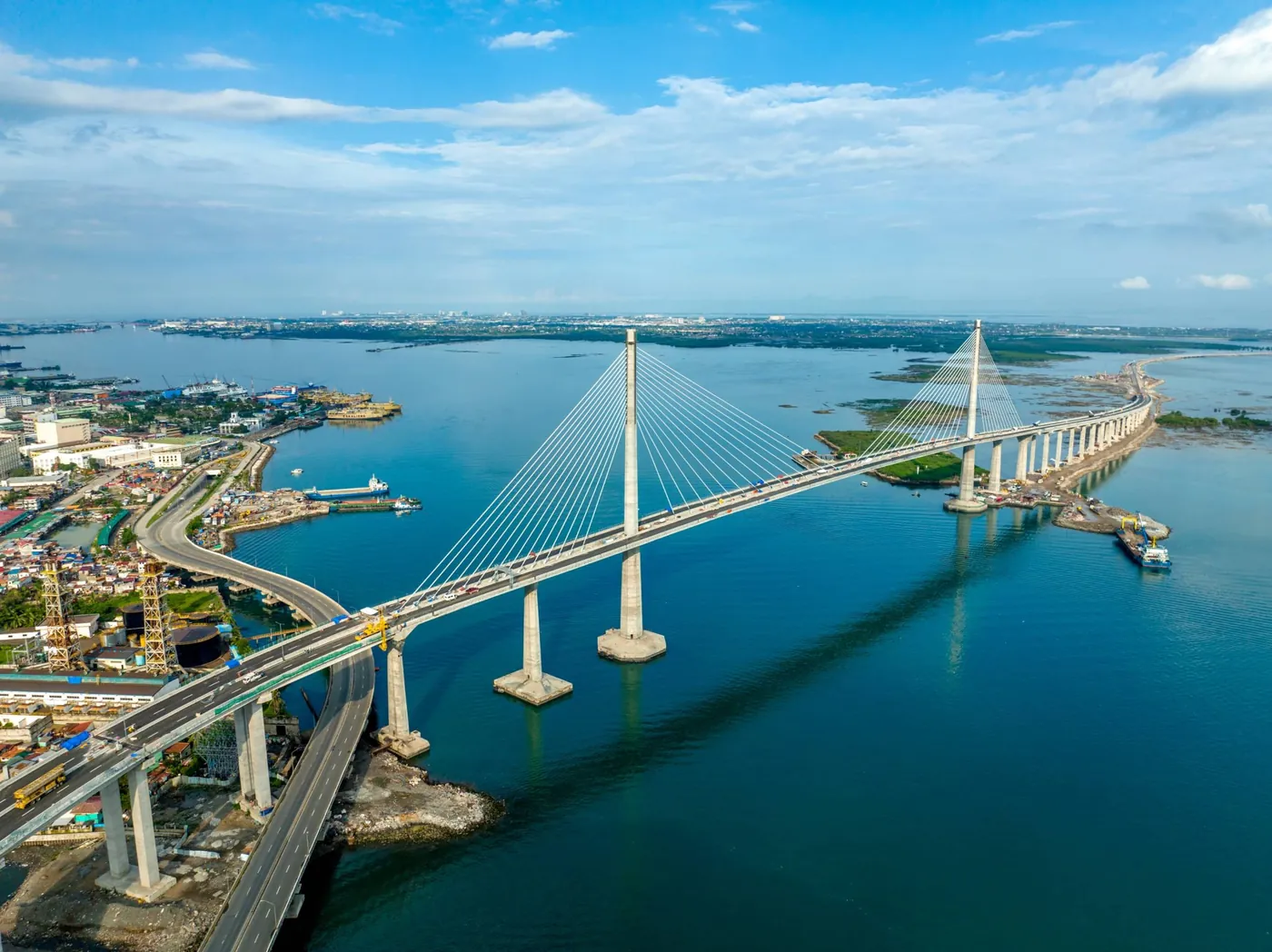
One thousand years later, Cebu is still the Sinibuay'ng Hingpit, now a global trading port and a tourism powerhouse. Cebu presents to the world a global port: an award-winning international airport, an international port, a shipbuilding and shipping capital, and a network of nautical highways. Cebu presents to the world a global digital port: a skilled workforce that grew with the country's information-technology industry. We all know what IT Park was only twenty years ago.
We were already trading when the world arrived. The Chinese brought us commerce and their families. The Spaniards brought us their faith. The Americans brought us their language. The Cebuanos brought Cebuanos: from ancient traders to modern seafarers and now a world-class skilled workforce.
Karon, the routes are wider. From regional to global. But it is the same harbor, the same Cebuanos, trading with and welcoming the world to Cebu. So a thousand years later, ania ta Karon: the time to name this story, with nothing new to invent, only to say out loud what has always been true.
03 · Tomorrow · the chapter we now write
Kaugmaon
Cebu to the World. It is an offering: from Cebu, to the world. Our port, our faith, our food, our people. Isip halad, given the way we have always given: with both hands, like the current, or sulog.
It is a question: what is Cebu to the world? Every voyager docked here, at the Sinibuay'ng Hingpit, had an answer. This brand is built to keep collecting them. Cebu to the World is not just a tourism invitation. It is a story being written.
Kagahapon is written. Karon shows we are still living it. Kaugmaon is the chapter we now write. We invite you to write our Kaugmaon with us.
The three chapters follow the Commission’s presentation script of 24 September 2026, edited for the page: a few lines are shortened, and figures this site cannot yet source are left out until they can be.
The whole story
Five ways in, one continuous story
Each page hands you to the next, and the last one returns you here. Start anywhere.
01 — Story
Story
The sea people, the port before the world arrived, 1521 and 1565.
Read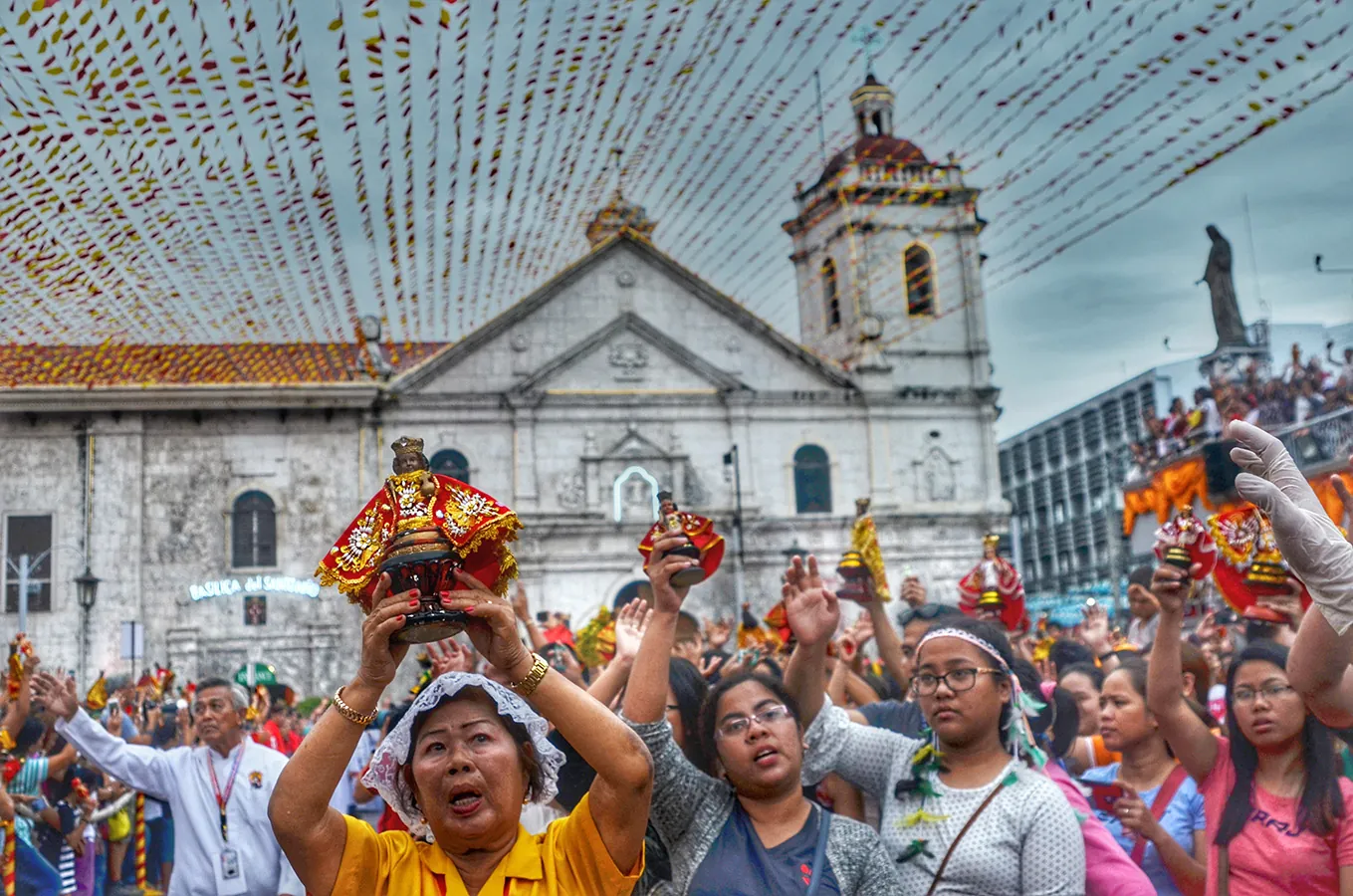
03 — Walks
Walks
Three heritage walks, the highlands, the shores, the skyline, and the City’s table.
Read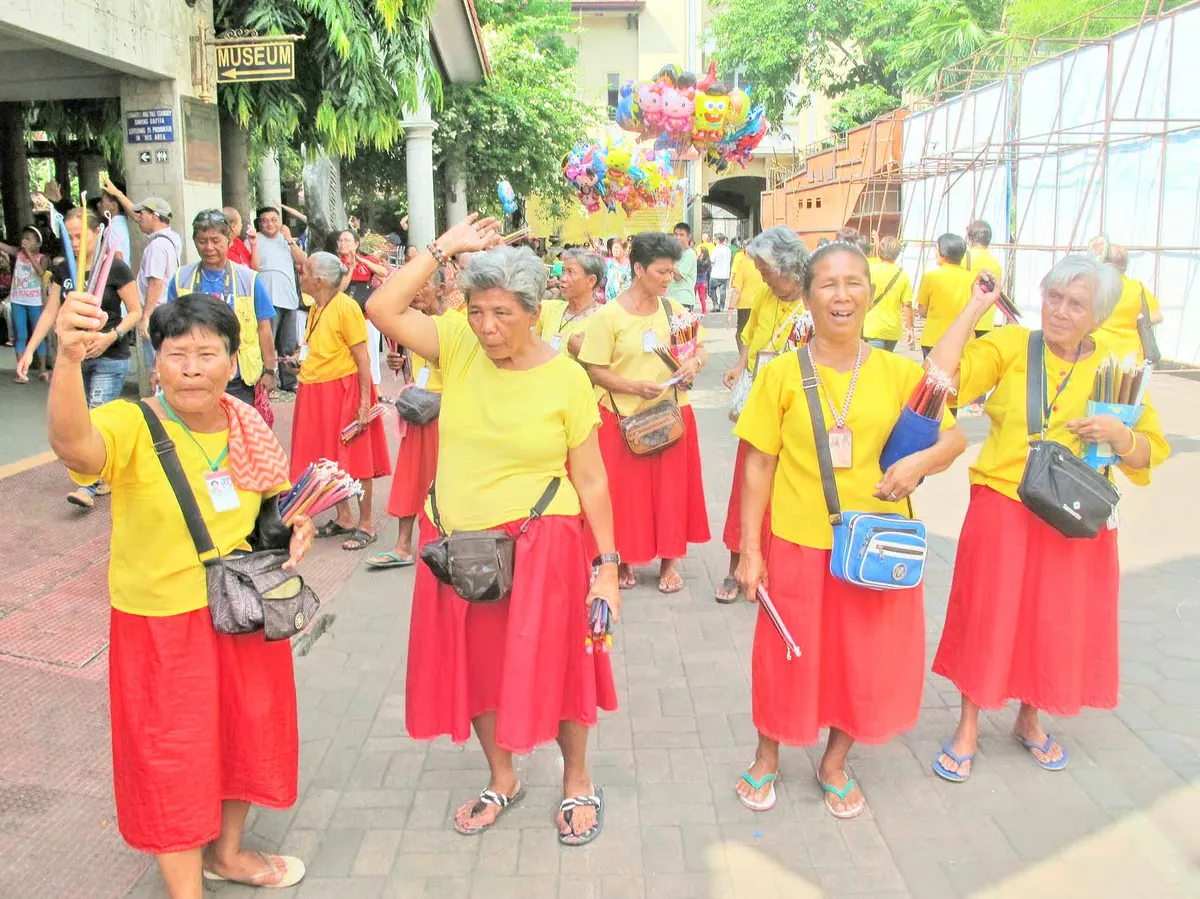
04 — Sinulog
Sinulog
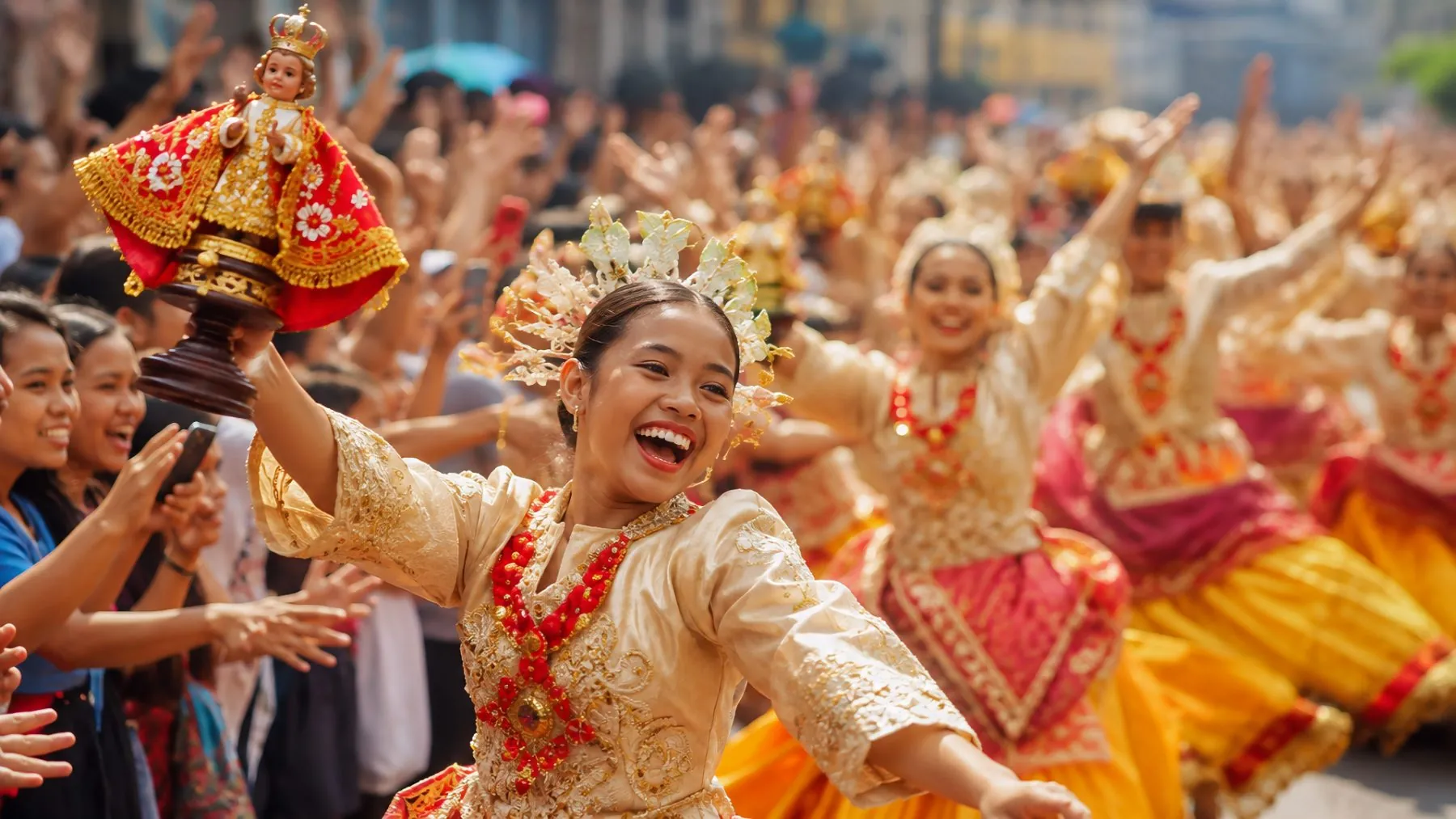
The dance, the parade on the third Sunday of January, Sinulog 2027 and the City’s year.
Read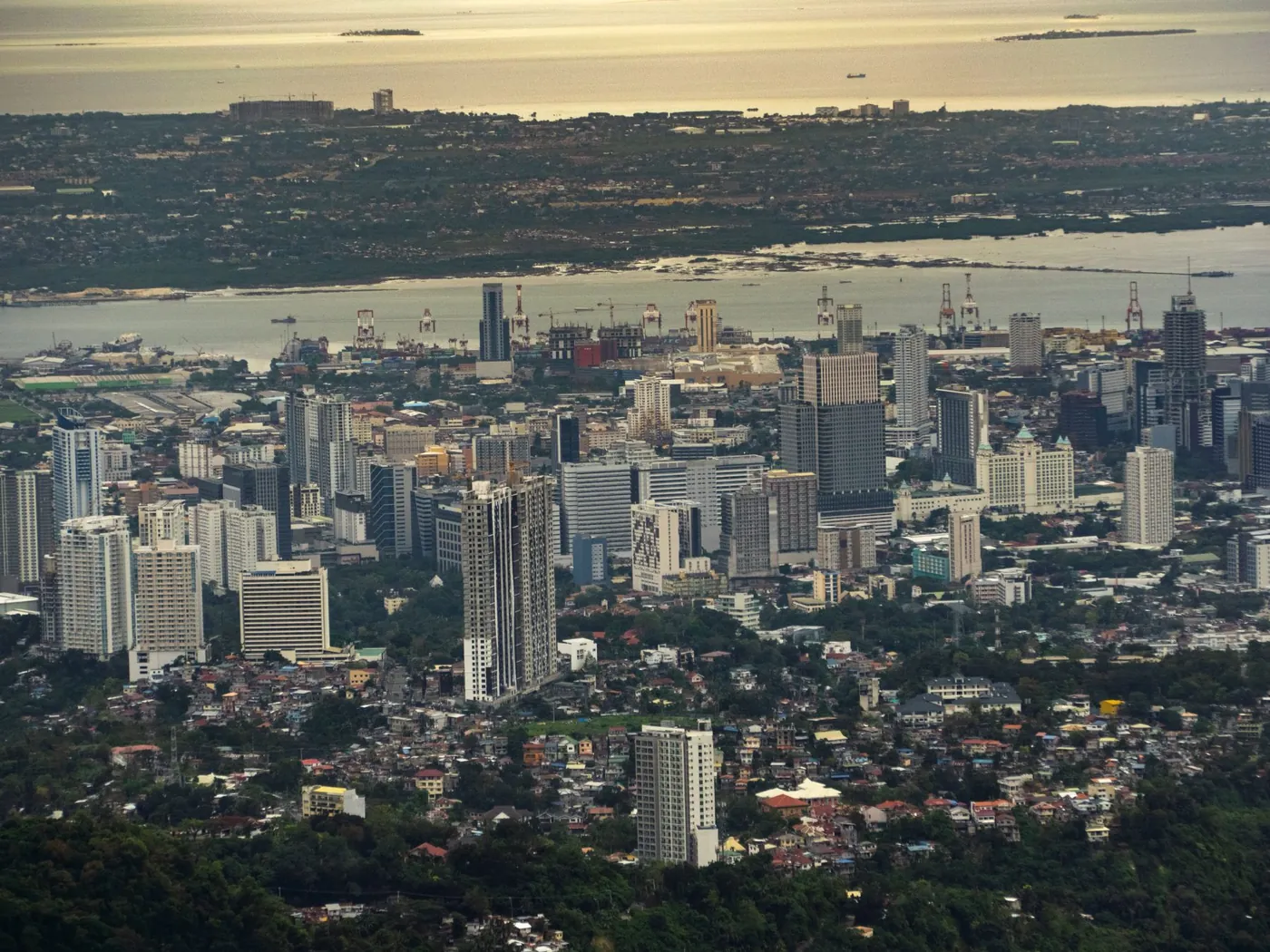
06 — Investment
Investment
The perfect trading place kept trading: gateway, workforce, meeting room.
Read07 — About
About
Who tells this story, what the mark means, and the Commission that publishes it.
Read03 — Walks
Four days, one compact city
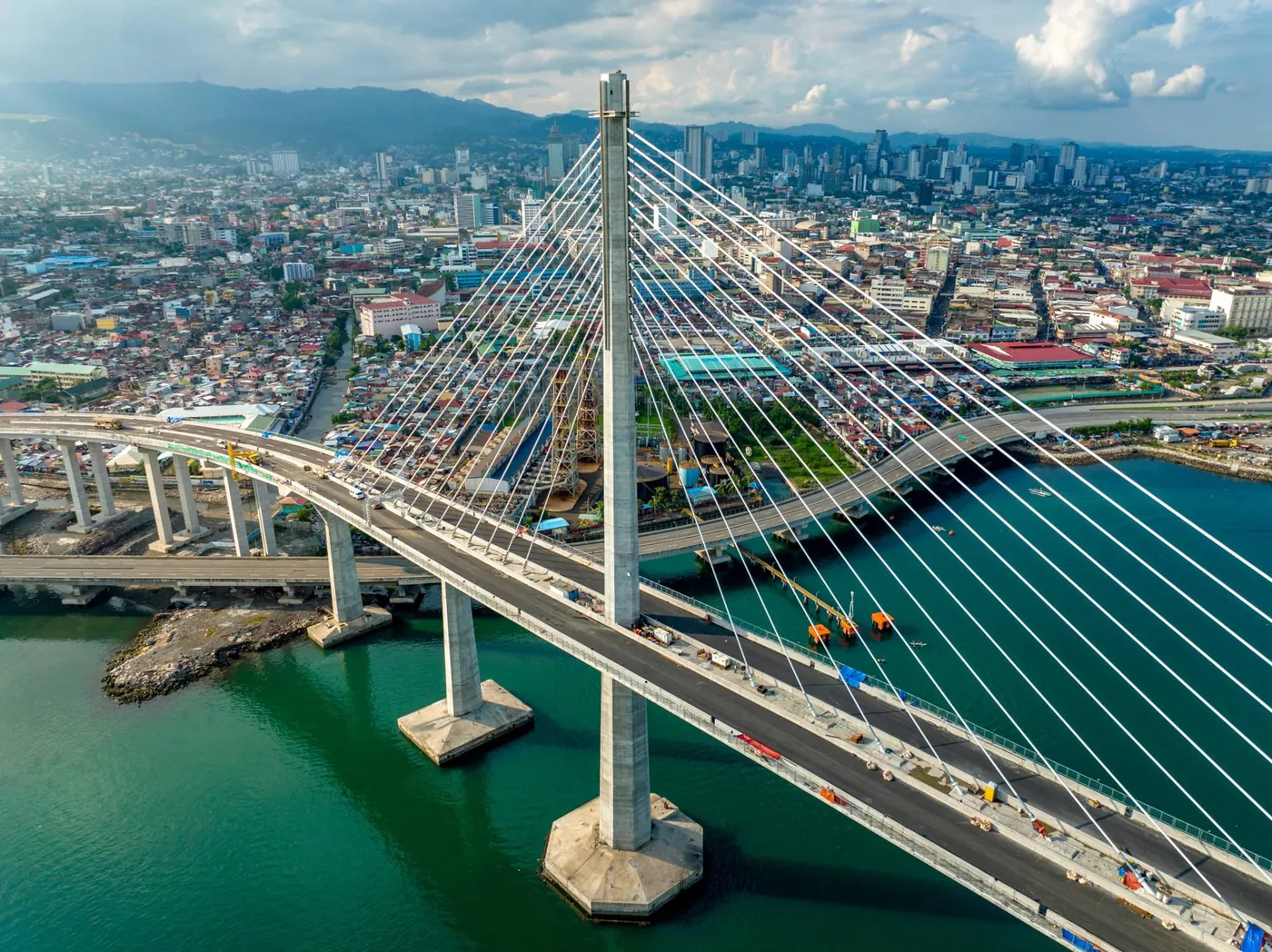
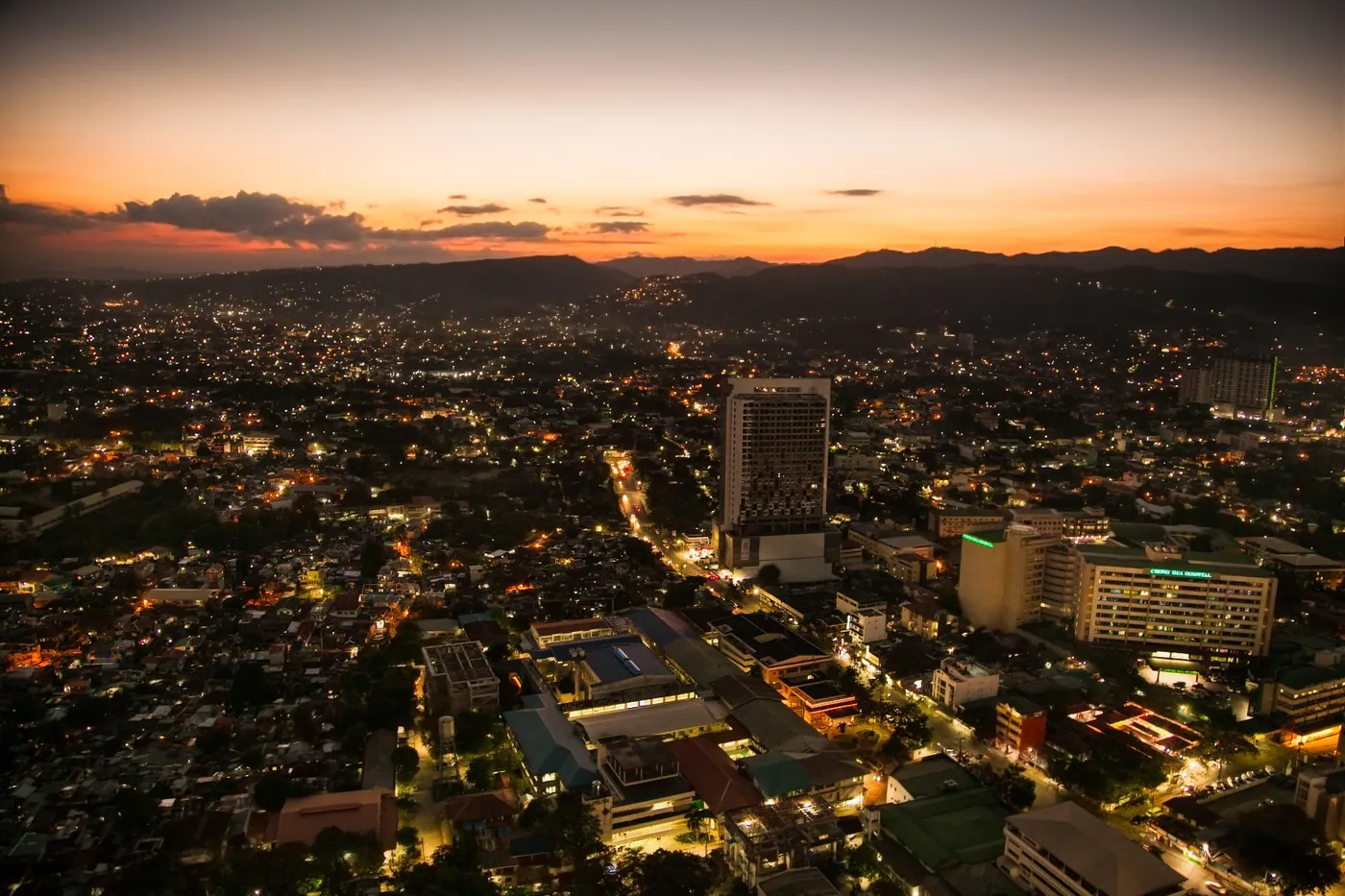
The old harbour town, the ridge that rises behind it, the working shore and the new towers are all within a thirty-minute ride of each other, and most of the first is on foot.
04 — Sinulog · the third Sunday of January
Pit Señor
A step forward, a step back, two forward, in time with drums: the sinulog is a dance about water, from a people who lived on it. The festival revolves around the devotion to the Santo Niño. You will feel it before anyone tells you, in the hush that comes when the drums stop.
Cebu, in numbers
Only what we can source
Every figure below names where it comes from and what it refers to: the city, the province or the region. The city’s own numbers appear here the day the Commission publishes them.
Best Airport in Asia-Pacific, 5–15 million passenger class, 2024 and 2025
Mactan-Cebu International Airport · ACI ASQ 1
of the Philippines’ IT-BPM workforce is in Cebu
industry data, 2025 · share, not headcount 2
overnight visitors to Cebu Province in 2024, the most of any province in Central Visayas
Cebu Daily News, March 2025 · province, not city 3
Cebu hosts MICECON, the national conference for meetings and conventions, back after thirteen years
Tourism Promotions Board, September 2026 4
Central Visayas is the region most visited by foreign travellers in the Philippines
Department of Tourism via PIA · region 5
the oldest balangay hull at Butuan, carbon-dated: a sea-going boat older than the Viking age
National Museum of the Philippines 6
Cebu City’s own overnight arrivals and average stay, latest year
Owner · Cebu City Tourism Commission
The share of Cebu City’s land that lies in the highlands
Owner · City Planning Office via CCTC
Venue capacity for the city’s largest halls, for the meetings case
Owner · CCTC and venue partners
1 Mactan-Cebu International Airport Authority, 26 Feb 2026 (ACI ASQ Best Airport, Asia-Pacific, 5–15M class, 2024 and 2025). 2 Outsource Accelerator citing industry data, 2025-06-05, updated 2026-08-28; two headcount readings conflict, so only the share is published. 3 Cebu Daily News, 4 Mar 2025: 5,077,727 overnight arrivals, Cebu Province, 2024. 4 Tourism Promotions Board, reported by Cebu Daily News and SunStar, Sep 2026. 5 Department of Tourism via the Philippine Information Agency. 6 National Museum of the Philippines, radiocarbon dating of the oldest Butuan hull.
03 · Kaugmaon
What is Cebu to you?
Every voyager who docked here had an answer. We are tired of us talking about ourselves; it is the world’s turn to talk about us. Tell us what you remember, why you came back, or what you found here that felt like home.
Every story is read by the Commission before anything is published. Tell us yours, in any language, in a few lines or many.