
Verified by the Cebu City Tourism Commission · every fact names its source below
The brand book puts the positioning in one line: the business hub in the Pacific. Not the biggest; the one that has been in the trade the longest. This page sets out what stands behind that line today, and it names a source for every figure it uses. Where the figure is the Commission's or the City's to supply, it says so.
The enterprising spirit
Sugbo was an Asian trading port before it was anything else. When the Spanish colonial government left Cebu in the economic backwaters for many years, the locals reclaimed prominence through the abaca trade, as the centre of supply gathered from the surrounding islands, and the city became the base of the country's shipping industry. That is Commissioner Tetta Baad's own summary, and the record supports it: the port opened to world trade in 1860, the hemp boom made Cebu the gathering point for the islands' produce, and the city remains, in her words, the shipping capital of the country.
The habit survived the trade that passed the city by. The return route across the Pacific was found from this harbour in 1565. The trade that followed ran between Manila and Acapulco from 1571 until 1815, and Cebu had no share in it. What Cebu kept was the habit of building for the crossing.
The gateway
By air
Mactan-Cebu International Airport was named Best Airport in Asia-Pacific in its class (five to fifteen million passengers a year) by Airports Council International's service-quality programme in both 2024 and 2025, back to back.
By sea
The Port of Cebu is the country's largest domestic port; the shipbuilding yards of the island's west coast are widely credited as the shipbuilding capital of the Philippines. The city's piers connect to every island in the Visayas.
By road
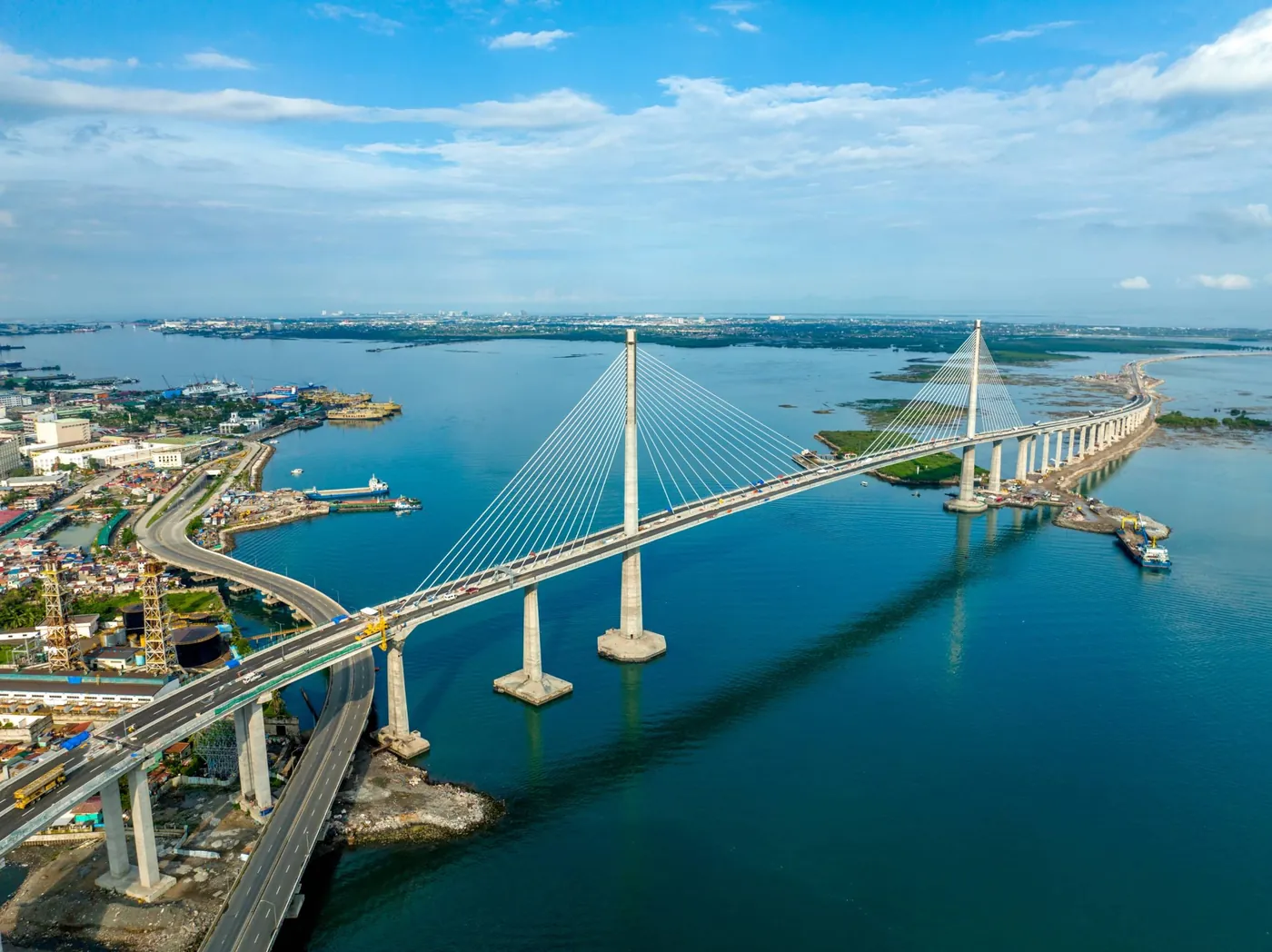
The Cebu–Cordova Link Expressway, an 8.9-kilometre link with a cable-stayed main span, opened in 2022, joins the city's South Road Properties to Mactan and the airport. Those are its operator's figures. It was built with a private partner.
The workforce
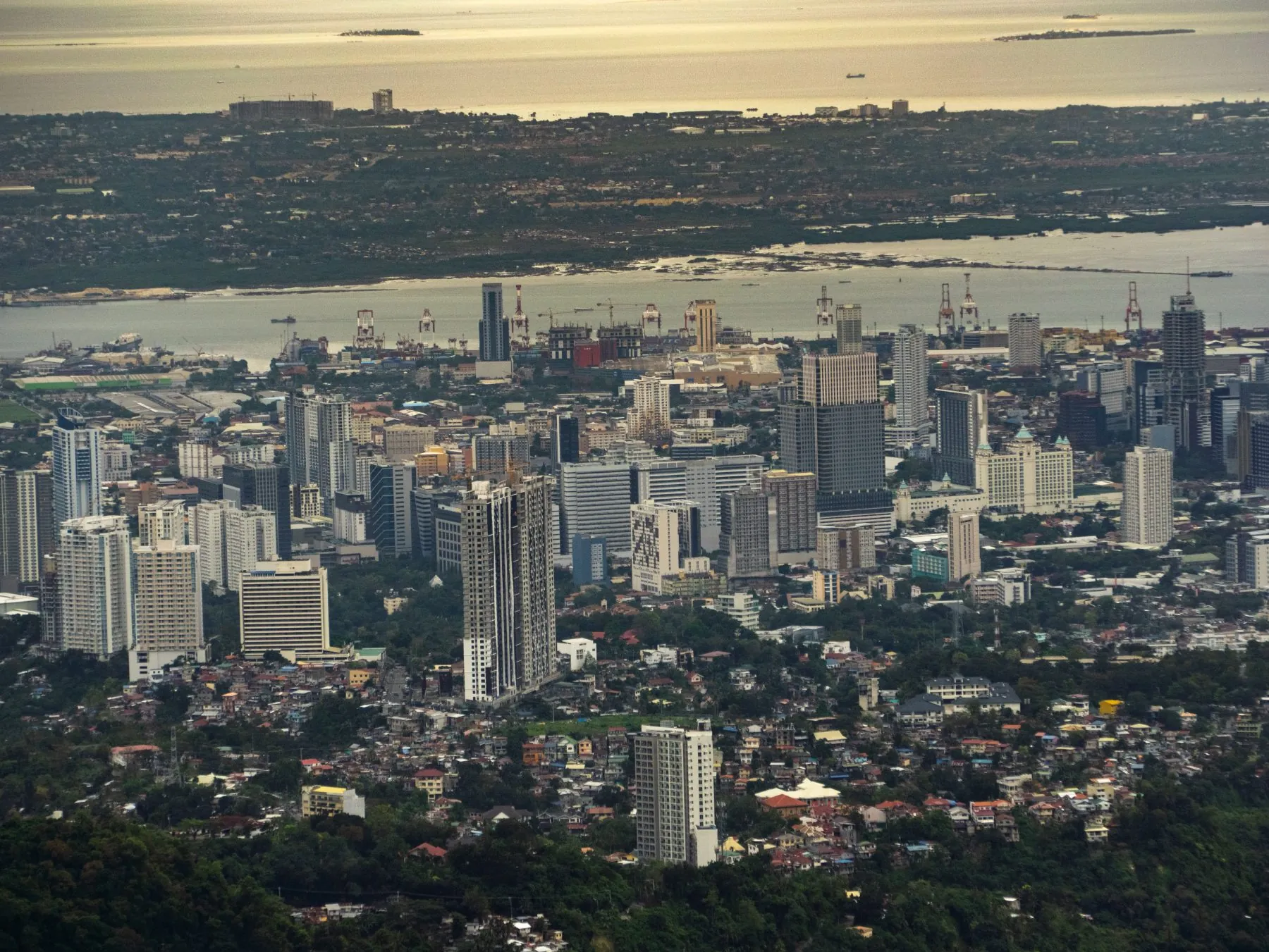
Cebu carries about fifteen per cent of the Philippines' information-technology and business-process workforce. Cebu IT Park, built on the runway of the old airport, took up 96,000 square metres of new office space in the first nine months of 2025; its vacancy fell from 28 per cent in 2022 to 14 per cent, and it holds three-quarters of Metro Cebu's flexible-office seats.
Behind the offices is a young, English-speaking city. The Philippines ranks second in Asia for English proficiency; the national median age is about twenty-five, and Cebu City's university district turns out graduates every year for the region's engineering, health, design and maritime trades. The Visayas has long sent its seafarers to every ocean, and the habit of being good enough to send is the city's oldest export.
The meeting room
Cebu has been chosen to host MICECON 2027, the country's national conference for the meetings, incentives, conventions and exhibitions industry, a return to the city after thirteen years. The region it anchors welcomed 6.9 million visitors in 2025, 2.55 million of them from abroad, and Central Visayas is the region of the country most visited by foreign travellers. Cebu Province logged 5.08 million overnight visitors in 2024, the most of any province in the region. Those are provincial and regional figures; the city's own are the Commission's to publish.
How to begin
The City's investment office, its business permits process and its incentives are the City Government's to describe, and this page will link to them rather than restate them.
The story this site tells ends where it began: at the harbour, with the sea. If you have read this far, you already know the city better than most who land here. The next question is yours.
The story closes on itself
Home, where the story starts