
Getting here
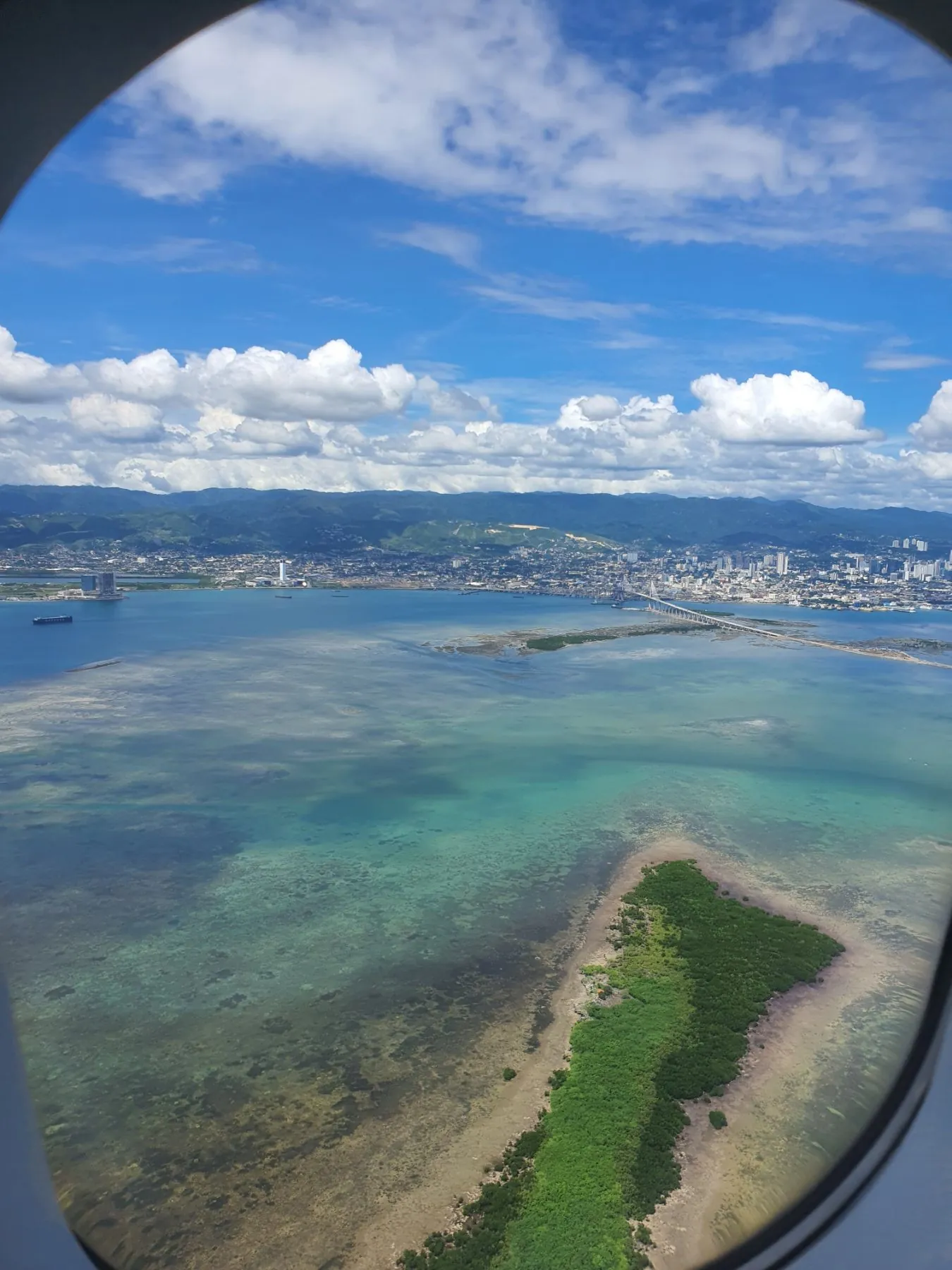
Cebu City is reached through Mactan-Cebu International Airport on the neighbouring island of Mactan, named Best Airport in Asia-Pacific in its class in 2024 and 2025, and joined to the city by two older bridges and the Cebu–Cordova Link Expressway. By sea, the city’s piers receive fast craft and ferries from every island in the Visayas: Bohol in about two hours, and Leyte, Negros and the Camotes beyond.
Getting around
The old harbour town is a walk. Fort San Pedro, Magellan’s Cross, the Basilica, the Parian and Colon Street sit within a few blocks of one another; the three heritage walks cover it on foot. The ridge, the shore and the new towers are each a short ride from the centre.
When to come
January is the city’s great season: Sinulog fills the week before the third Sunday, and the city is at its fullest and most itself. Any month is a good month to walk the old town in the early morning, when the light is best and the churches are open.
Who to ask
This site is published by the Cebu City Tourism Commission. For anything about visiting the city, the Cebu City Tourism Office is the place to ask; it also endorses the city’s tourism establishments, and the City is establishing tour-guide licensing.
If you need help
If you have a problem with a tourism business in Cebu City, a tour, a guide, or a rate that was not what you were told, tell the City Tourism Office. Tourism-related events in this city are routed through that office, and a complaint has somewhere to go.
A few things worth knowing
Churches are working churches. The Basilica is a parish with a continuous stream of devotees, not an exhibit: cover shoulders and knees, stay out of the devotional queue unless you are joining it, and put the phone down during Mass.
Ask before photographing people: especially at Carbon, especially devotees, and always children.
The language here is Cebuano, which people call Bisaya, and English is understood almost everywhere. Salamat is thank you; maayong buntag is good morning. Both go a long way.
Buy from the stalls. The upland farms, the market vendors and the small kitchens are where tourism money actually lands in this city.
Beyond the city
Cebu City is the heart of an island a hundred and ninety kilometres long. This site stops at the city line. The Province of Cebu’s own site plans the island trip, and the regional site of the Department of Tourism covers Central Visayas; both are linked from every page once the link text is agreed.